Synopsis
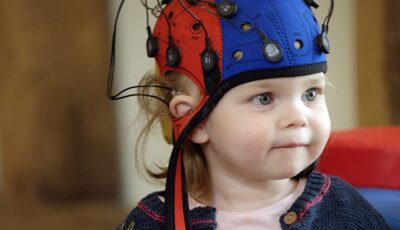
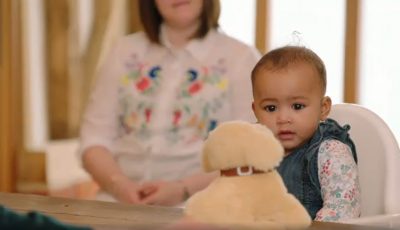
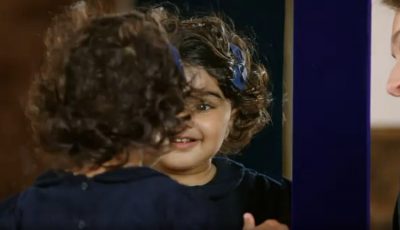
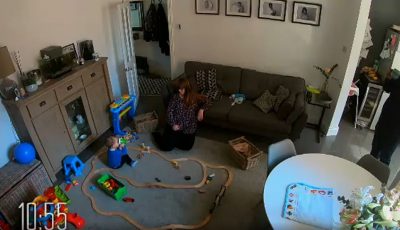
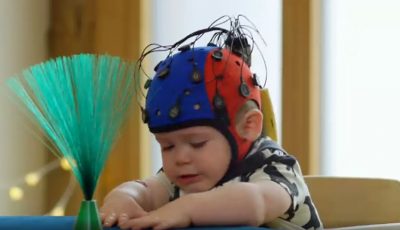
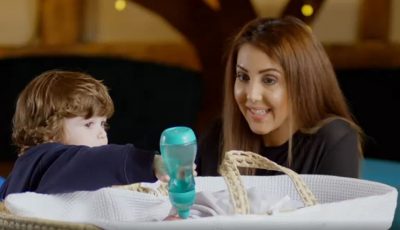
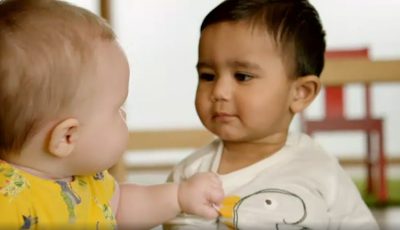
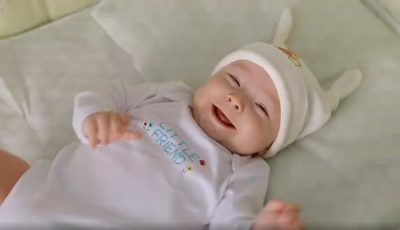
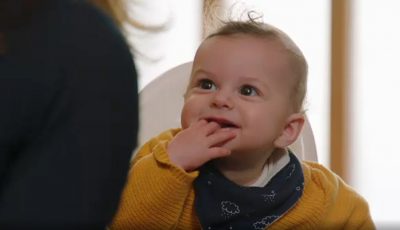
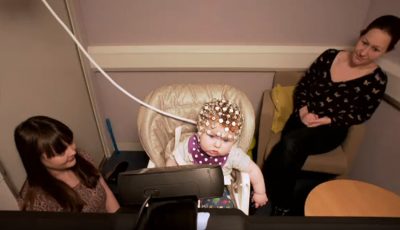
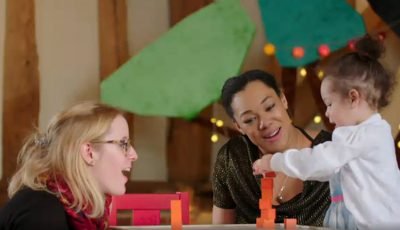
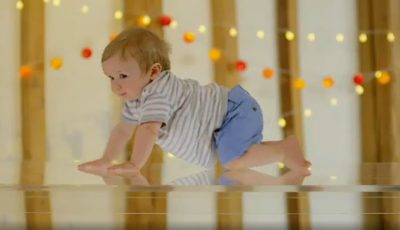
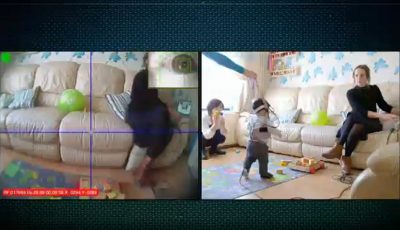
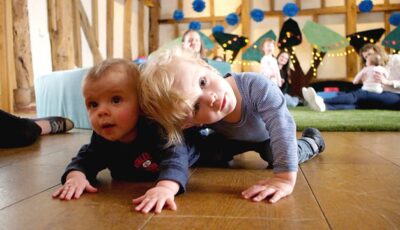
Episode two looks at why we are born to respond to faces, what makes babies laugh and how we learn to empathise with others.
- Programme: Babies: Their Wonderful World
- Episode: 02: Becoming Social
- Channel: BBC Two
- Broadcast year: 2018
- Psychology
Licence: ERA Licence required
Free to watch for UK schools, colleges and universities with an ERA Licence
UK only
Staff and students of licensed education establishments only
Cannot be adapted
Add Notes
More clips from Babies: Their Wonderful World
01: Becoming You | Babies: Their Wonderful World
This episode explores how changes in the first two years of life make us individuals, how tablet use affects our babies and ...
03: Becoming Independent | Babies: Their Wonderful World
Episode three reveals how crawling transforms our understanding of the world, when our memory first develops and how...
Basic temperament types | Babies: Their Wonderful World
Dr Emily Jones believes it is possible to tell a baby's temperament at just six months, which suggests that these tra...
Communication, coordination, cooperation | Babies: Their Wonderful World
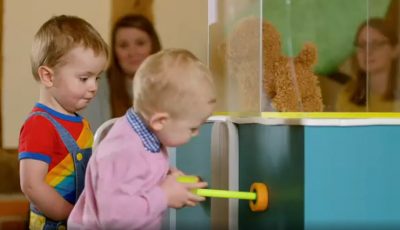
A simple test involving pulling two levers explores how without talking babies can communicate throu...
Depth perception in babies | Babies: Their Wonderful World
The visual cliff tests the importance of crawling for development of depth perception.
Developing a sense of self | Babies: Their Wonderful World
Between 16 and 24 months babies begin to realise who they are; this is shown through using a mirror as an experime...
Developing interests | Babies: Their Wonderful World
As babies reach 18 months, they become more independent and start to choose different activities.
Developing self control | Babies: Their Wonderful World
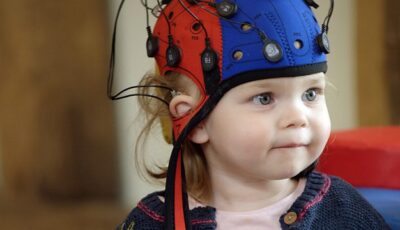
A simple experiment while a baby is wearing a brain scanner, measures the activity in the frontal cortex which can in...
Early language development | Babies: Their Wonderful World
At around their second year, babies usually have an explosion of talk but scientists know very little about this. ...
Empathy | Babies: Their Wonderful World
Using a baby doll and a crying sound effect, an 18-month-old expresses empathy for the doll and asks her mum for help.
Good and bad | Babies: Their Wonderful World
The researchers wonder whether babies are making decisions about good and bad before they are even taught these concepts.
Laughter and social interaction | Babies: Their Wonderful World
The researchers discuss laughter in children and the important part it plays in babies' development of social...
Managing tantrums | Babies: Their Wonderful World
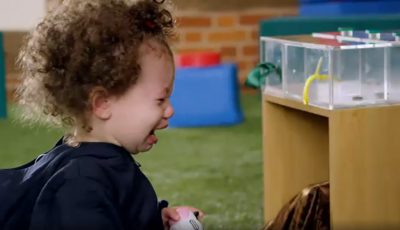
With a full body suit linked to a computer, the researchers measure the body statistics of a baby while she has a tantrum, ...
Memory and separation anxiety | Babies: Their Wonderful World
The researchers do a test in the lab to look for the first stage of memory in babies less than one-year-old.
One to one attention | Babies: Their Wonderful World
A simple experiment shows how important one-on-one attention can be for young babies.
Talking to babies | Babies: Their Wonderful World
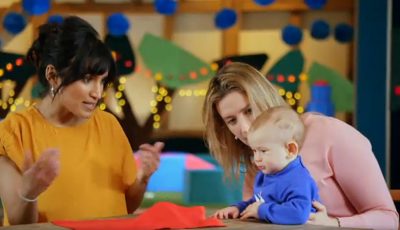
Scientists setup an experiment to find out the best way to talk to a baby.
Technology on early development | Babies: Their Wonderful World
Early research suggests touchscreens may be negatively impacting on babies' sleep and attention.
The importance of crawling | Babies: Their Wonderful World
Using a transparent floor that gives the illusion of a drop, babies are encouraged to crawl across this surface to...
Walking | Babies: Their Wonderful World
Using technology, the researchers explore how babies' perception of the world changes when they evolve from crawling to walking.
More resources about Long and short term memory
03: Who Is in Control?
David explores how almost every action we take, every decision we make, every belief that we hold is driven by parts of the brain we have no access to.
04: How Do I Decide?
This episode takes a journey through the unseen world of decisions, and how they get made.
A Different Brain | Louis Theroux
Louis takes a look at the issues that some of the estimated one million people in the UK living with the long-term effects of a brain injur...
02: What Makes Me?
02: What Makes Me?
David explores how the brain conjures up the world we take for granted. This episode shows how the brain gives rise to thoughts, emotions, memories and pe...
My Brain: After the Rupture
The incredible story of broadcaster, journalist, musician and author Clemency Burton-Hill's recovery following a devastating brain haemorrhage in...
Unintentional blindness | Health Check
An explanation of how unintentional blindness occurs, for example with the case of the invisible gorilla.
Using Favourite Sporting Memories Therapeutically | Health Check
Using sporting memories therapeutically; Why oxytocin might help treat anorexia; Therapists' dreams about th...