Synopsis
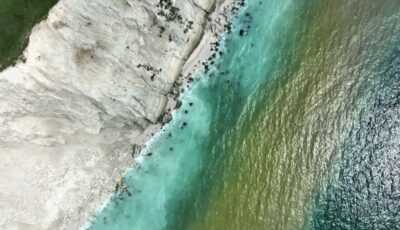
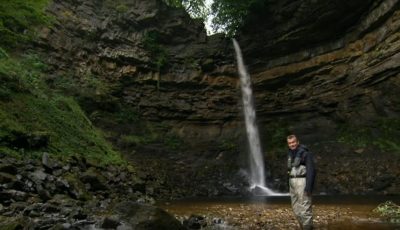
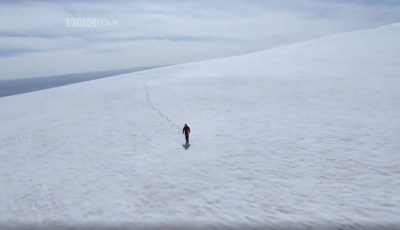
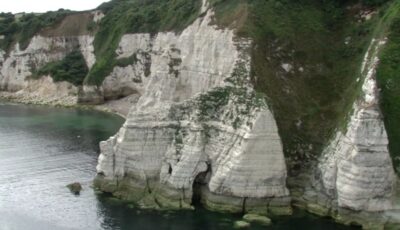
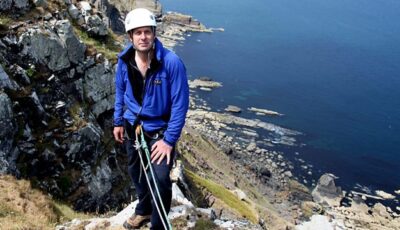
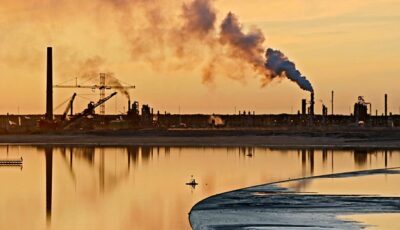
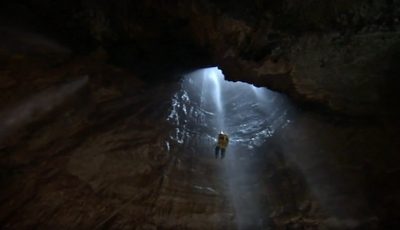
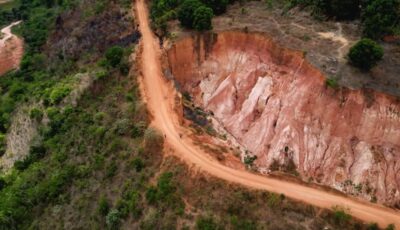
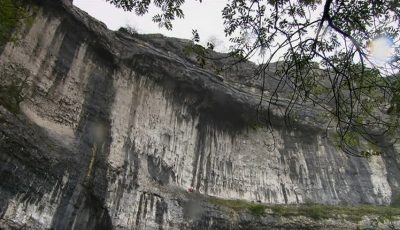
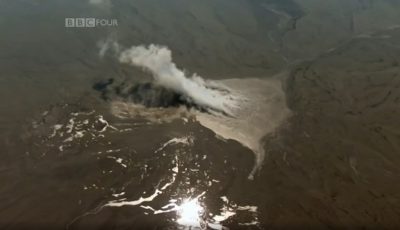
Alan Titchmarsh uncovers how the British Isles were formed and looks back to a time when dinosaurs roamed Oxford.
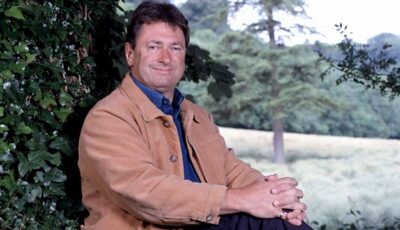
- Programme: British Isles: A Natural History
- Episode: 02: Deserts, Dinosaurs and Volcanoes
- Channel: BBC One
- Broadcast year: 2004
- Geography | Human and physical geography | Landscapes of the UK
Licence: ERA Licence required
Free to watch for UK schools, colleges and universities with an ERA Licence
UK only
Staff and students of licensed education establishments only
Cannot be adapted
Add Notes
More clips from British Isles: A Natural History
01: Three Billion Years in the Making | British Isles: A Natural History
Alan Titchmarsh travels Britain to discover why our islands are so diverse, peeling back the layers ...
03: Ice Age | British Isles: A Natural History
Alan Titchmarsh travels Britain to discover why our islands are so diverse, beautiful and extreme. He looks back to the last I...
04: Islands Apart | British Isles: A Natural History
Alan Titchmarsh travels Britain to discover why our islands are so diverse and extreme. When the Ice Age ended and the s...
05: Taming the Wild | British Isles: A Natural History
Armed with stone axes and grim determination, a few thousand people turned our islands from forest to farm. Alan Titch...
06: Revolution | British Isles: A Natural History
Alan Titchmarsh travels Britain to discover why our islands are so diverse and extreme. He explores a time when industry ch...
07: Modern Times | British Isles: A Natural History
Close encounters with rare red squirrels and bats hiding in the silos at Greenham Common - Alan Titchmarsh reveals a hund...
08: Our Future | British Isles: A Natural History
Alan Titchmarsh travels Britain to discover why our islands are so diverse and extreme. He concludes his journey and asks w...
More resources about Geology and the rock cycle
Coastal Erosion | From Above
Crumbling into the sea - the Isle of Wight, from above.
Geology of the Yorkshire Dales | The Great British Countryside
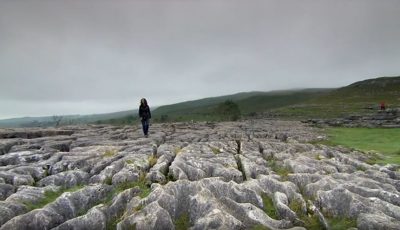
Julia Bradbury explores the geology of the limestone pavement in the Yorkshire Dales.
01: Three Billion Years in the Making | British Isles: A Natural History
Alan Titchmarsh travels Britain to discover why our islands are so diverse, peeling back the layers ...
04: Highlands | The Great British Countryside
Hugh Dennis and Julia Bradbury are in the Highlands of Scotland, Britain's wildest and oldest landscape. They explore a landsca...
Geology of the North and South Downs | The Great British Countryside
Geological demonstration of how the North and South Downs were created over millions of years.
Human interventions in the water cycle | How Earth Made Us
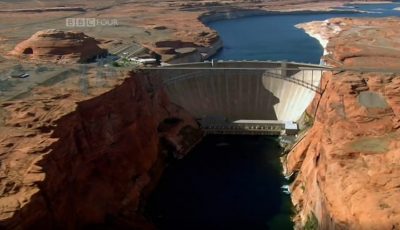
Professor Iain Stewart investigates the ways that humans have intervened in the water cycle.
Malham Cove | The Great British Countryside
Hugh Dennis visits Malham Cove and explains the geology of how it was created.
Sediment and plastic | How Earth Made Us
Professor Iain Stewart explains how sediment becomes rock and thus how plastic waste will impact future rock.
03: The Big Freeze | Men of Rock
In the final episode of the series, Iain Stewart finds out about daredevil scientist Louis Agassiz, who first imagined the world had been gr...
Hardraw Force | The Great British Countryside
Hugh Dennis visits a waterfall in the Yorkshire Dales that has created a gorge in the landscape.
Beneath the Yorkshire Dales | The Great British Countryside
Hugh Dennis ventures into Gaping Gill, a cave produced by limestone erosion.
Dartmoor granite tors | The Great British Countryside
Hugh Dennis explains the geological processes that caused the granite tors on Dartmoor.
Lyme Bay | Countryfile
Countryfile is in Lyme Bay where the rugged west Dorset and east Devon coastlines meet. Julia Bradbury is exploring its rich geological history, and M...
Pavement Knowledge | The Trip
An explanation of the geological conditions that produced the limestone pavement in the Yorkshire Dales.
02: Moving Mountains | Men of Rock
Iain Stewart finds out how gung-ho geologist Edward Bailey discovered that Scotland was once home to super volcanoes. Plus the story of un...
Disruption to the ice age cycle | How Earth Made Us
Professor Iain Stewart explains how humans prevented the next stage of the ice age cycle.
01: Avalanche | Dangerous Earth
Dr Helen Czerski looks at the anatomy of an avalanche. From shocking eyewitness footage from within an avalanche to detailed CT scans showing...
05: Human Planet | How Earth Made Us
Series in which Professor Iain Stewart looks at how geology has shaped human history. He explores the newest force, humans, whose impact...
Cliffhanger | Men of Rock
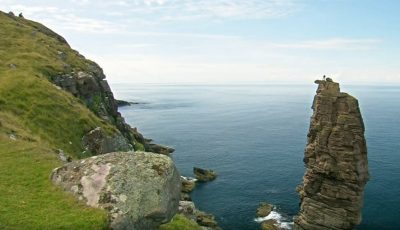
Dr Iain Stewart climbs a coastal sea stack and explains its geology.
Mud volcano, Indonesia | How Earth Made Us
Professor Iain Stewart investigates a mud volcano in Indonesia that was caused by human interactions with the earth.