Synopsis
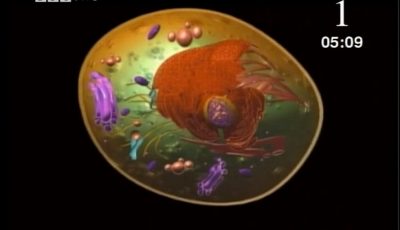
Spec references J247: B1.1c. Electron microscope to see the structure of algae and observe cell processes.
- Programme: Science In Action
- Series: Life Processes And Living Things
- Episode: Cells
- Channel: BBC Two
- Broadcast year: 1999
-
Biology (J247): B1.1c
Combined Science (J250): B1.1c
Licence: ERA Licence required
Free to watch for UK schools, colleges and universities with an ERA Licence
UK only
Staff and students of licensed education establishments only
Cannot be adapted
Add Notes
More clips from Science In Action
Cells under a microscope | Science In Action
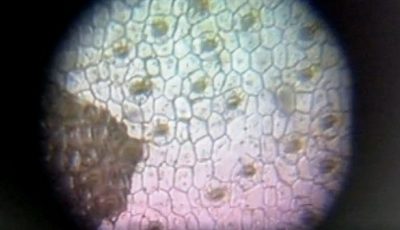
Spec references J247: B1.1a. Showing onion cells and cheek cells under a microscope.
Skin cells in research | Science In Action
Spec references J247: . Growing skin for patients, using keratinocyte cells from the patient so that the skin is not rejected.
Cells under a microscope | Science In Action
Spec references J247: B1.1a. Showing onion cells and cheek cells under a microscope.
Skin cells in research | Science In Action
Spec references J247: . Growing skin for patients, using keratinocyte cells from the patient so that the skin is not rejected.
Cells under a microscope | Science In Action
Spec references J247: B1.1a. Showing onion cells and cheek cells under a microscope.
Skin cells in research | Science In Action
Spec references J247: . Growing skin for patients, using keratinocyte cells from the patient so that the skin is not rejected.
Cells under a microscope | Science In Action
Spec references J247: B1.1a. Showing onion cells and cheek cells under a microscope.
Skin cells in research | Science In Action
Spec references J247: . Growing skin for patients, using keratinocyte cells from the patient so that the skin is not rejected.
More resources about Cell structure and function
01: Creation | How to Build a Human
Scientists are now at the pivotal moment of being able to unlock the instructions hidden in the cells of humans.
Cells under a microscope | Science In Action
Spec references J247: B1.1a. Showing onion cells and cheek cells under a microscope.
Collagen | Secrets of Skin
Collagen makes up 90% of the skin dermis. Professor Ben Garrod talks to a scientist studying collagen whose research has some ground-breaking appl...
Elastin | Secrets of Skin
Why do we get wrinkles? Professor Ben Garrod explores the function of elastin in an animal's skin.
Epidermis | Secrets of Skin
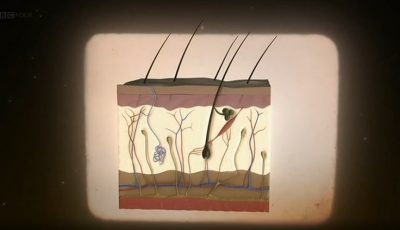
Professor Ben Garrod gives a brief introduction to the structure of skin, especially the epidermis.
Human defence systems | Secret Universe: The Hidden Life of the Cell
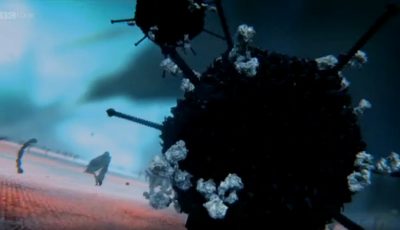
This simulation brings to life the process of a cell's defence against viruses.
Key parts of the cell | Secret Universe: The Hidden Life of the Cell
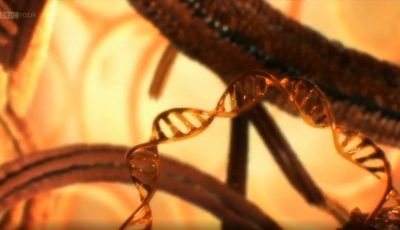
An amazing visualisation of the cell's structure, and how DNA works within it.
Skin cells in research | Science In Action
Spec references J247: . Growing skin for patients, using keratinocyte cells from the patient so that the skin is not rejected.
The Identification of the Cell Nucleus | The Cell
How Robert Brown used the microscope to notice, identify and describe the nucleus, and discover its ubiquity in cells.
What makes up a cell? | Short Circuit
A computer simulation of a cell allows us to see the structure of a cell close-up.