Synopsis
Take a wander into the wondrous world of ant colonies.
- Programme: Planet Ant: Life Inside the Colony
- Channel: BBC Four
- Broadcast year: 2013
- Biology | Ecology | Adaptations, interdependence and competition | Communities
Licence: ERA Licence required
Free to watch for UK schools, colleges and universities with an ERA Licence
UK only
Staff and students of licensed education establishments only
Cannot be adapted
Add Notes
More resources about Ecosystems and interdependence
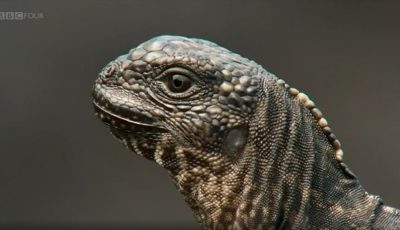
Hatchling marine iguana chased by snakes | Planet Earth II
Hatchling marine iguanas race to avoid being caught by the waiting snakes.
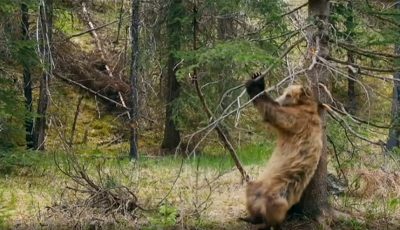
Back scratching bears | Planet Earth II
David Attenborough describes how mother bears show their cubs how to shed their winter coats.
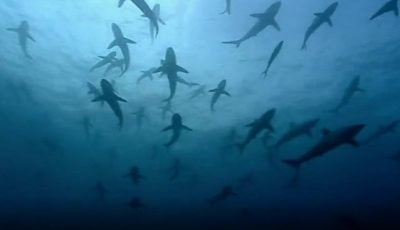
Shark oasis | The Blue Planet
David Attenborough explore the role of changeable deep ocean currents in creating an oasis for a variety of marine life.
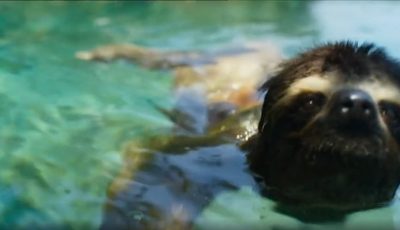
Swimming sloth | Planet Earth II
The tiny island of Escudo de Veraguas is home to the pygmy three-toed sloth. Smaller than its mainland relatives it lives in the mangroves o...
Great white shark vs seal | Planet Earth
The great white sharks migrate to more tropical waters to capitalise on the seasonal abundance of seals.
Komodo fight | Planet Earth II
Dragon territories overlap, creating continual conflict.
Partner for life | The Blue Planet
Male and female angler fish have a brilliant mutual solution to the problem of finding a mate in the vast emptiness of the deep sea.
The importance of animal pollinators and their relation to our fruit harvest | Science of the Harvest
Stefan Gates explores the vital role that bees and other insects play i...
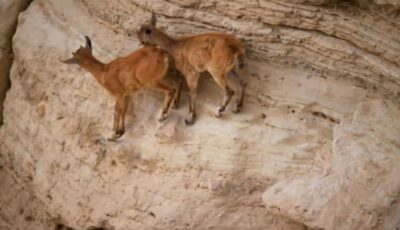
Baby ibex chased by fox | Planet Earth II
Vertiginous slopes keep ibex families safe from predators but they need to descend to flat ground to drink and this brings them in ...
Cave glow worms | Planet Earth
Developed by Japanese TV company NHK, the image intensifier (II) system has a camera chip 300 times more powerful than the standard digibeta c...
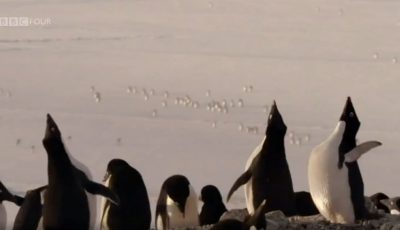
Criminal penguins | Frozen Planet
Some penguins turn to a life of crime to build the perfect nest.
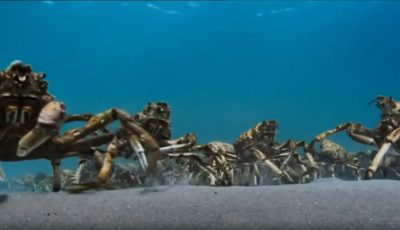
March of the spider crabs | Blue Planet II
Like all crabs, the spider crabs have to emerge from their shells in order to grow.
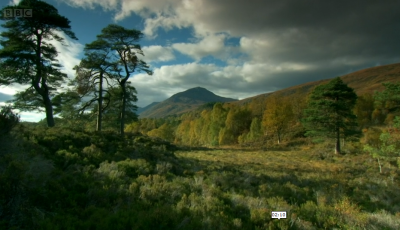
Rewilding | Highlands - Scotland's Wild Heart
Rewilding and reintroducing species to Scotland is controversial and while there are benefits, it is the people of Scotland who...
Searching for seals | The Blue Planet
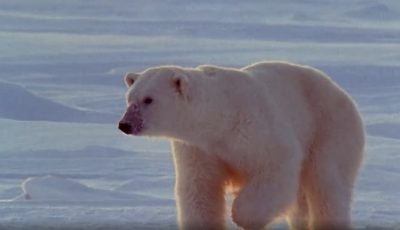
A Polar Bear and her cub go on the hunt.
Trying not to wake the sleeping giants | Blue Planet II
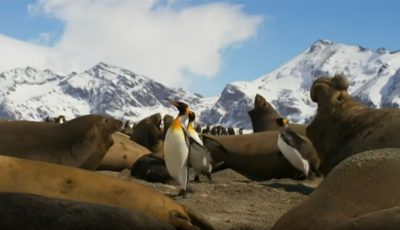
King penguins need to get past a natural barrier of elephant seals to reach their colony.
Whale shark feeding | Planet Earth
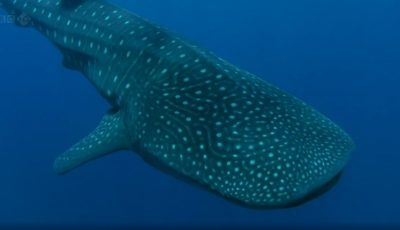
The crew seized an unexpected opportunity, when a perfect set of technical and animal circumstances converged, to film this behaviour for ...
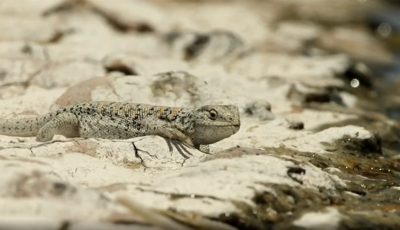
A salt flat lizard searches for water | Mountain: Life at the Extreme
These lizards rely on flies as their source of food and water.
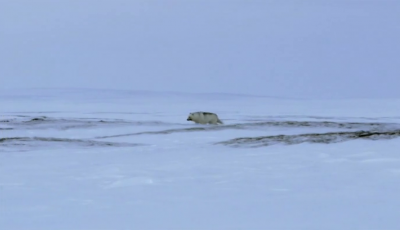
Arctic Wolves | Planet Earth
To film rare footage of non-habituated, wild Arctic wolves, the crew had to camp 350km away from the nearest settlement.
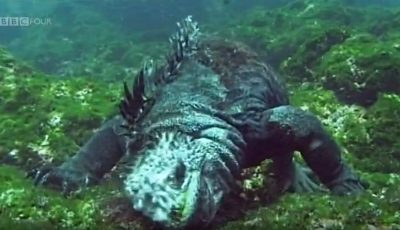
Galapagos lizards | The Blue Planet
The marine iguanas of the Galapagos are the world's only sea going lizards.
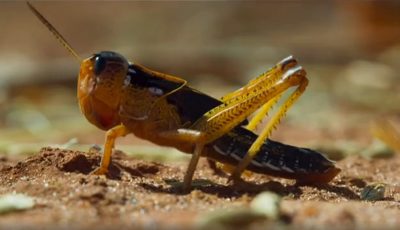
Locusts take to the air | Planet Earth II
A billion locusts take to the air in a ravening swarm in Madagascar.