Synopsis
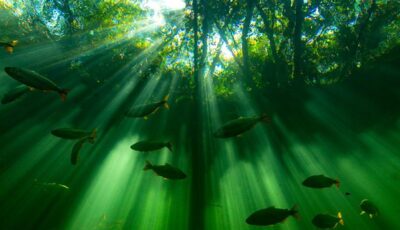
When unusually high spring tides flood the mangrove swamps, it allows the larger predators access to these hard to reach places. Mangroves are usually the realm of small fish who find shelter and sanctuary among the roots of the trees. Large predators, such as tarpon have a unique strategy. When the tide turns, the remnant pools become stagnant and lacking in oxygen, however the tarpon have adapted to breathe air and so can quickly out manoeuvre the drowsy, smaller fish.
- Programme: The Blue Planet
- Episode: 07: Tidal Seas
- Channel: BBC News
- Broadcast year: 2001
- Biology
Licence: ERA Licence required
Free to watch for UK schools, colleges and universities with an ERA Licence
UK only
Staff and students of licensed education establishments only
Cannot be adapted
Add Notes
More clips from The Blue Planet
07: Tidal Seas | The Blue Planet
David Attenborough narrates a natural history of the oceans. As snails surf the waves in pursuit of a meal, how do the tides create opportun...
07: Tidal Seas | The Blue Planet
David Attenborough narrates a natural history of the oceans. As snails surf the waves in pursuit of a meal, how do the tides create opportun...
07: Tidal Seas | The Blue Planet
David Attenborough narrates a natural history of the oceans. As snails surf the waves in pursuit of a meal, how do the tides create opportun...
07: Tidal Seas | The Blue Planet
David Attenborough narrates a natural history of the oceans. As snails surf the waves in pursuit of a meal, how do the tides create opportun...
07: Tidal Seas | The Blue Planet
David Attenborough narrates a natural history of the oceans. As snails surf the waves in pursuit of a meal, how do the tides create opportun...
07: Tidal Seas | The Blue Planet
David Attenborough narrates a natural history of the oceans. As snails surf the waves in pursuit of a meal, how do the tides create opportun...
07: Tidal Seas | The Blue Planet
David Attenborough narrates a natural history of the oceans. As snails surf the waves in pursuit of a meal, how do the tides create opportun...
07: Tidal Seas | The Blue Planet
David Attenborough narrates a natural history of the oceans. As snails surf the waves in pursuit of a meal, how do the tides create opportun...
More resources about Ecosystems and interdependence
03: Jungles | Planet Earth II
Jungles provide the richest habitats on the planet - mysterious worlds of high drama where extraordinary animals attempt to survive in the most...
01: Tropical Worlds | The Green Planet
Tropical rainforests are plant battlegrounds. New filming techniques allow us to enter the world of plants to see it from their perspe...
02: Savannah | Africa
David Attenborough takes a breathtaking journey through Africa, looking at the constantly changing landscape of east Africa and creatures found nowhere...
01: Coasts | Planet Earth III
Sir David Attenborough explores the dangerous frontiers created by the world's coasts, where animals fight for survival amidst constant change.
07: Human | Planet Earth III
Discover the extraordinary ways in which wildlife survives in a rapidly changing human world. From cobras hunting in houses to macaques stealing...
05: Deserts | Planet Earth
David Attenborough looks at deserts around the world from Namibia to Chile, unravelling the secrets behind desert survival and revealing their eph...
06: Coasts | Blue Planet II
The wildlife series narrated by David Attenborough explores the planet's coasts. They are the most changeable of the ocean worlds, but they offer...
04: Desert Worlds | The Green Planet
Desert plants spend decades in suspended animation waiting for rain, or they travel to find it. They survive using weapons, camouflage a...
01: Kalahari | Africa
David Attenborough explores two deserts in Africa's south west, where he encounters meerkats, black rhinos, giant insects and the greatest giraffe batt...
04: Deserts | Planet Earth II
The world's deserts force animals to come up with ingenious ways of coping with hostile conditions, giving rise to the most incredible survival...
07: Our Blue Planet | Blue Planet II
David Attenborough explores the issues behind the series' most spectacular stories and examines the future of the planet.
08: Jungles | Planet Earth
David Attenborough's natural history series. This episode looks at the tropical rainforests, which are home to a staggering 50 per cent of the wor...
10: Seasonal Forests | Planet Earth
Documentary series which celebrates our planet in all its glory. David Attenborough reveals the greatest woodlands on earth, from the nor...
03: Coral Reefs | Blue Planet II
The wildlife documentary series narrated by David Attenborough reveals the ingenious ways life exists in the undersea cities of tropical reefs.
03: Winter | Alaska: Earth's Frozen Kingdom
Here, a look at the tough and resourceful characters that face up to the challenges of winter.
A salt flat lizard searches for water | Mountain: Life at the Extreme
These lizards rely on flies as their source of food and water.
Cauldron of Life | Galapagos
Liz Bonnin joins a scientific team aboard the research vessel the Alucia on an expedition across the Galapagos Island.
01: Introduction | The Blue Planet
David Attenborough narrates a natural history of the oceans. We travel to the depths of the seas to reveal a spectacular variety of life, ...
01: One Ocean | Blue Planet II
Wildlife documentary series presented by David Attenborough, revealing new worlds and animal behaviours throughout the planet's oceans.
04: Freshwater | Planet Earth III
Fresh water is the lifeblood of planet Earth, where incredible animal dramas play out. From death-feigning fish to frogs that glide, each d...
More from Sir David Attenborough
04: Freshwater | Planet Earth III
Fresh water is the lifeblood of planet Earth, where incredible animal dramas play out. From death-feigning fish to frogs that glide, each d...
Ants vs Cows | Natural World
The super colony unites in a spectacular attack to defend their nest from curious cows.
The mystery of the whale shark nursery | Blue Planet II
Nutrients from the deep provide sustenance for a large gathering of sea life.
03: Jungles | Planet Earth II
Jungles provide the richest habitats on the planet - mysterious worlds of high drama where extraordinary animals attempt to survive in the most...
Lizard Heaters | Life in Cold Blood
Wall lizards take advantage of foul-smelling dead-horse arums.
How Many People Can Live on Planet Earth? | Horizon
Naturalist Sir David Attenborough investigates whether the world faces a population crisis and if it is the duty of indiv...
10: Seasonal Forests | Planet Earth
Documentary series which celebrates our planet in all its glory. David Attenborough reveals the greatest woodlands on earth, from the nor...
Weighty wanderers | Life in the Freezer
With a wingspan of over 3m, the wandering albatross has the biggest feeding range of any bird. Throughout the winter they remain in n...
David Attenborough's 100 Years on Planet Earth
A 90-minute special, broadcast from the Royal Albert Hall, London, celebrating Sir David Attenborough's groundbreaking career ...
01: Our Precious Isles | Wild Isles
David Attenborough celebrates the rich variety of habitats in our wild isles, the existence of which is critical for the survival of spec...
07: Worlds of Wonder | Frozen Planet II
A journey through the world’s coldest realms with the most-loved animals from the series, including emperor penguins and one of the l...
05: Human Worlds | The Green Planet
Two out of five wild plants are threatened with extinction. Today people are finding remarkable ways to help them, and so make our world ...
David Attenborough | The Queen's Platinum Jubilee
David Attenborough speaks about the environment. Also, includes footage of the drones that turn into animals.
Greta meets David Attenborough | Greta Thunberg: A Year to Change the World
Greta Thunberg and David Attenborough discuss their hopes for the future of the planet.
The People v Climate Change
Meet the 108 ordinary Brits who Sir David Attenborough says we should listen to. This warm and honest documentary reveals how everyday people fee...
Views on COP26 | Climate Change: The Facts
COP26 delegates and climate scientist Hannah Cloke discuss their hopes for the COP26 conference.
Poison dart frogs battle it out | Attenborough's Life in Colour
A poison dart frog fights off a contender until he's sufficiently warned off.
Self-sacrificing fish | Life
Flying fish can leave the water and soar great distances on their elongated fins to escape from predators below the waves. But finding a place t...
Mate or die trying | Seven Worlds, One Planet
A male Jotus spider waves it paddle-like limbs to attract a mate.
Extinction: The Facts
With a million species at risk of extinction, David Attenborough explores how this crisis of biodiversity has consequences for us all, including puttin...